Hearing the words “brain tumour” is frightening — for the patient and for the whole family. In the first few days, most people have the same questions: Is it cancer? Does it need surgery? Who is the right surgeon? And how far do we need to travel?
If you live in HSR Layout, Sarjapur Road, Bellandur, Haralur, Kasavanahalli or nearby areas, this guide explains the types of brain tumours, modern surgical options, what recovery looks like, and how to reach expert brain tumour care at Manipal Hospital Electronics City with Dr. Shyam D.
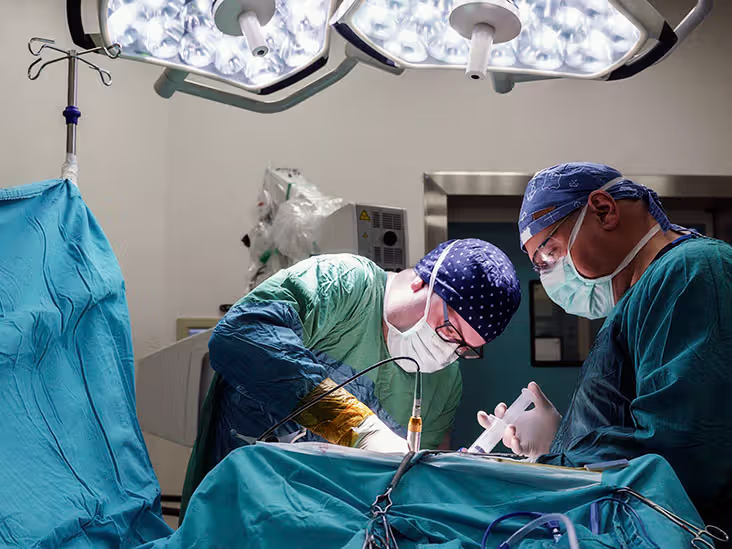
First, Take a Breath: Not Every Brain Tumour Is Cancer
A “brain tumour” simply means an abnormal growth inside the skull. Many brain tumours are benign (non-cancerous) and can be removed completely. Others are malignant and need surgery followed by further treatment.
| Type | What it means | Common examples |
|---|---|---|
| Benign | Slow-growing, does not spread; may still need removal because of pressure on the brain | Meningioma, pituitary adenoma, schwannoma (acoustic neuroma) |
| Malignant (primary) | Starts in the brain and can grow into nearby tissue | Glioma, glioblastoma, medulloblastoma (in children) |
| Metastatic (secondary) | Cancer that has spread to the brain from elsewhere | From lung, breast, kidney or skin cancers |
The type, size and location of the tumour decide the treatment — and many patients do very well with timely, expert care.
Warning Signs That Need a Brain Scan
See a doctor promptly if you notice:
- New headaches that are worse in the morning, with vomiting, or gradually increasing
- A first seizure (fit) in adulthood
- Weakness or numbness on one side of the body
- Difficulty speaking, finding words or understanding speech
- Changes in vision — blurring, double vision or loss of side vision
- Personality, memory or behaviour changes noticed by family
- Hearing loss in one ear, imbalance or facial numbness
- Hormonal changes — irregular periods, milk discharge, unusual growth of hands and feet (possible pituitary tumour)
Read more: 7 Warning Signs of a Brain Tumour You Should Never Ignore and Headache vs Migraine vs Brain Tumour.
Emergency: A sudden severe headache, a seizure lasting more than 5 minutes, sudden weakness or drowsiness needs the nearest emergency department immediately.
Which Doctor Should You See for a Brain Tumour?
A neurosurgeon is the right first specialist once a scan shows a brain tumour, cyst or mass. The neurosurgeon decides whether the tumour needs surgery, a biopsy, radiation or simply monitoring, and coordinates with oncology specialists if further treatment is needed.
Not sure which specialist to see? Read Brain Doctor in Bangalore: Which Specialist Treats What? and Neurologist vs Neurosurgeon.
How Brain Tumours Are Diagnosed
- MRI brain with contrast — the most important test; shows size, location and features of the tumour
- CT scan — useful in emergencies and for bone involvement
- Advanced MRI — MR spectroscopy, perfusion, functional MRI and tractography (DTI) in selected cases to plan safe surgery
- Hormone tests and vision field tests — for pituitary and skull base tumours
- Whole-body evaluation — if a metastasis is suspected
- Biopsy / histopathology — the final diagnosis comes from examining the tumour tissue after surgery or biopsy
You can send your MRI on WhatsApp for an expert opinion before you travel.
Modern Brain Tumour Surgery Options
Brain tumour surgery has changed dramatically. Today, the aim is maximum safe removal — taking out as much tumour as possible while protecting speech, movement, vision and memory.
1. Microsurgical craniotomy
A small window is made in the skull, and the tumour is removed under an operating microscope with neuronavigation (a GPS-like guidance system). This is the most common approach for meningiomas, gliomas and metastases.
2. Awake craniotomy with brain mapping
For tumours near speech or movement areas, the patient is woken during part of the surgery so the team can test function in real time and protect it. Read our detailed guide: Awake Brain Surgery — How It Works and Why Patients Stay Awake.
3. Endoscopic endonasal surgery
Many pituitary tumours and some skull base tumours can be removed through the nose using an endoscope — with no cut on the face or scalp. Learn more about pituitary tumours and endoscopic skull base surgery.
4. Skull base surgery
Tumours at the base of the skull — near major blood vessels and cranial nerves — need specialised techniques. See skull base surgery.
5. Keyhole and minimally invasive approaches
Selected tumours can be removed through small, carefully planned openings, reducing brain exposure and speeding recovery.
6. Stereotactic or navigation-guided biopsy
When a tumour is deep or not suitable for removal, a small sample is taken through a tiny opening to confirm the diagnosis and plan treatment.
Technology that improves safety
- Intra-operative neuromonitoring — continuous checking of nerve pathways
- Neuronavigation — precise tumour localisation on your MRI
- Operating microscope and endoscope — magnified, illuminated view
- Intra-operative ultrasound — to check how much tumour remains
Learn more on our brain tumour surgery page.
Brain Tumours in Children
Brain tumours are among the most common solid tumours in children. Common types include medulloblastoma, low-grade gliomas, ependymoma and craniopharyngioma. Children need a specialised team experienced in paediatric neurosurgery, anaesthesia and long-term follow-up.
Signs in children may include morning vomiting, headaches, unsteady walking, squint, a tilted head or a rapidly enlarging head in infants. Learn more about paediatric neurosurgery.
What Happens After Surgery?
In hospital
| Time after surgery | What to expect |
|---|---|
| Day 0 | Monitoring in the ICU or high-dependency unit |
| Day 1–2 | Sitting up, eating, walking with support; post-operative MRI in many cases |
| Day 3–7 | Discharge home for many patients, depending on the tumour and recovery |
After discharge
- Biopsy report — usually available in about one to two weeks, and sometimes longer when special tests are needed
- Tumour board discussion — the neurosurgeon, radiation oncologist and medical oncologist plan the next step together
- Further treatment if needed — radiotherapy, chemotherapy or targeted therapy for malignant tumours
- Rehabilitation — physiotherapy, speech or occupational therapy if needed
- Regular MRI follow-up — to monitor for any regrowth
Many patients with benign tumours need no further treatment after complete removal — only follow-up scans.
Brain Tumour Surgery Cost — What Affects It?
The cost of brain tumour surgery varies widely, so an accurate estimate is possible only after reviewing your MRI. Key factors include:
- Type and location of the tumour — deep or skull base tumours are more complex
- Surgical approach — craniotomy, awake surgery, endoscopic surgery or biopsy
- Technology used — neuronavigation, neuromonitoring, intra-operative imaging
- Length of ICU and hospital stay
- Room category
- Post-operative treatment — radiotherapy and chemotherapy are billed separately
Insurance: Brain tumour surgery is generally covered by health insurance, including most corporate group policies common among HSR Layout and Sarjapur Road IT professionals. Ask your TPA or HR about cashless approval at Manipal Hospital Electronics City.
Travelling from HSR Layout and Sarjapur Road
Clinic address: Manipal Hospital Electronics City, Neeladri Road, Electronics City Phase 3, Bengaluru — 560100
| From | Typical route | Approximate travel time* |
|---|---|---|
| HSR Layout | Via Silk Board and the Hosur Road elevated expressway | 30–45 minutes |
| HSR Layout (metro) | Namma Metro Yellow Line from Central Silk Board or Kudlu Gate to Electronic City, then auto/cab | 35–50 minutes |
| Sarjapur Road / Kasavanahalli / Haralur | Via Haralur Road and Hosa Road to Hosur Road | 35–55 minutes |
| Bellandur | Via Outer Ring Road to Silk Board, then Hosur Road | 40–60 minutes |
*Travel times vary with traffic; plan appointments outside peak hours where possible.
See also our pages on neurosurgeon near Sarjapur Road and spine surgery near HSR Layout.
Questions to Ask Your Neurosurgeon
- What type of tumour is this likely to be?
- Does it need surgery now, or can it be monitored?
- How much of the tumour can be removed safely?
- Is awake surgery or endoscopic surgery suitable for me?
- What are the risks to speech, movement or vision?
- How long will I stay in hospital?
- Will I need radiation or chemotherapy afterwards?
- When can I return to work or school?
Why Families Choose Dr. Shyam D for Brain Tumour Surgery
Dr. Shyam D is an internationally fellowship-trained neurosurgeon at Bangalore Neuro Centre, consulting at Manipal Hospital Electronics City.
- M.Ch Neurosurgery — Madras Medical College, with two university gold medals
- FACS — Fellow, American College of Surgeons
- IFAANS — International Fellow, American Association of Neurological Surgeons
- Cerebrovascular fellowship under Prof. Yoko Kato, Japan
- Advanced skull base surgery training at Weill Cornell, USA
- Yaşargil Microneurosurgery Course, Istanbul
- Awake craniotomy with intra-operative neuromonitoring for tumours in critical brain areas
- Brain tumour care for adults and children
“Filled with fear after my sister-in-law’s brain tumour diagnosis, I reached out late at night with her reports. We received an immediate response and an appointment the very next day.” — Pragathi (patient family, Dr. Shyam’s Madurai practice)
Learn more about Dr. Shyam and what to expect at your first visit.
For further reading, see the National Cancer Institute — Brain Tumors and the American Association of Neurological Surgeons.
Frequently Asked Questions
No. Many brain tumours, such as meningiomas, pituitary adenomas and schwannomas, are benign and can often be removed completely. Others, such as gliomas and metastases, are malignant and may need further treatment after surgery.
Dr. Shyam D, neurosurgeon at Bangalore Neuro Centre, performs brain tumour surgery at Manipal Hospital Electronics City — typically a 30–55 minute drive from HSR Layout and Sarjapur Road, depending on traffic.
Modern techniques such as neuronavigation, intra-operative neuromonitoring and awake brain mapping have made brain tumour surgery much safer. Your neurosurgeon will explain the specific risks based on the tumour’s size and location.
Get an Expert Opinion on Your Brain MRI
A brain tumour diagnosis needs clear answers, quickly. Share your scans and speak to a fellowship-trained neurosurgeon close to HSR Layout and Sarjapur Road.
📞 Call / WhatsApp: +91 63802 71088 📍 Manipal Hospital Electronics City, Neeladri Road, Electronics City Phase 3, Bengaluru — 560100
Send your MRI on WhatsApp → | Book a consultation →
This article is for general information only and does not replace a medical consultation. Travel times are approximate. In an emergency, go to the nearest hospital immediately.