Almost everyone gets headaches. The vast majority are harmless. But because the scary possibility — a brain tumor — sits at the back of your mind, a bad headache can send you spiralling. This guide walks through the real differences between an ordinary headache, a migraine, and the rare headache that signals something serious, so you know exactly when to stop Googling and see a neurologist.
The short answer
Most headaches are tension-type or migraine and are not dangerous. Brain tumors are a very uncommon cause of headache — and when a tumor is the cause, the headache almost never comes alone. It’s the pattern and the company it keeps (new symptoms, sudden change, neurological signs) that matters far more than the pain itself.
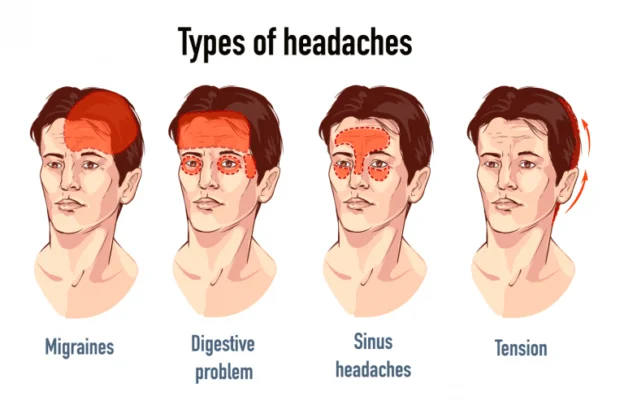
1. The everyday tension headache
This is the most common headache by far. It feels like:
- A dull, pressing ache — not throbbing
- A “tight band” around the head or pressure at the temples and back of the neck
- Mild to moderate — annoying, but you can usually carry on with your day
- Both sides of the head, not one
Tension headaches are typically triggered by stress, poor posture, screen time, dehydration, or lack of sleep. They ease with rest, hydration, and over-the-counter pain relief. They do not usually come with nausea, vomiting, or vision changes.
2. The migraine
A migraine is a neurological condition, not “just a bad headache.” It tends to feel very different:
- Throbbing or pulsing pain, often on one side of the head
- Moderate to severe — often bad enough to stop you working
- Nausea or vomiting
- Sensitivity to light and sound (you want a dark, quiet room)
- Sometimes an “aura” beforehand — flashing lights, blind spots, or zigzag lines in your vision
- Attacks lasting anywhere from a few hours to a few days
Migraines often run in families and can be triggered by specific foods, hormonal changes, stress, or sleep disruption. They’re recurrent and follow a recognisable pattern — you tend to know your own migraine when it arrives.
3. When a headache could signal a brain tumor
First, reassurance: headache alone is rarely caused by a brain tumor. When a tumor does cause headaches, there are usually accompanying warning signs. A brain-tumor-type headache may:
- Be new or different from any headache you’ve had before, especially after age 50
- Be worse in the early morning or wake you from sleep
- Get steadily worse over days or weeks rather than coming and going
- Worsen with coughing, sneezing, bending over, or straining
- Come with other neurological symptoms (see the red flags below)
The key theme is change and progression — a headache that is genuinely new for you, or one that keeps escalating instead of settling.
Red flags: when to see a neurologist without delay
See a doctor promptly if a headache comes with any of these:
- A sudden, severe “thunderclap” headache that peaks within seconds — treat this as an emergency
- Headache after a head injury
- Weakness, numbness, or tingling on one side of the body
- Trouble speaking, confusion, or memory changes
- Vision problems — double vision, loss of vision, persistent blurring
- Seizures, especially a first-ever seizure
- Persistent nausea and vomiting with no clear cause
- Loss of balance or difficulty walking
- A headache that is the “worst of your life” or unlike anything before
- New headaches if you’re over 50, pregnant, or have a weakened immune system or history of cancer
If you notice any of these, don’t wait it out at home.
A quick comparison
- Tension headache — dull, tight, both sides, mild-moderate, no other symptoms. Usually manageable at home.
- Migraine — throbbing, one-sided, nausea, light/sound sensitivity, sometimes aura, recurrent pattern. See a neurologist if frequent or worsening.
- Warning-sign headache — new, progressive, early-morning, worse with straining, plus neurological symptoms. See a neurologist promptly.
When should you actually book an appointment?
Consider seeing a neurologist if:
- Your headaches are getting more frequent or more severe
- Over-the-counter medication no longer helps, or you’re taking it more than a couple of times a week
- Headaches are disrupting your work, sleep, or daily life
- Your usual headache pattern has clearly changed
- You have any of the red-flag symptoms above
A neurologist can pinpoint the exact type of headache, rule out serious causes, and — importantly — actually treat the root problem rather than just masking the pain. Modern migraine treatment in particular has advanced enormously, and many people suffer for years before discovering how manageable it can be.
Frequently asked questions
Can a brain tumor cause headaches with no other symptoms?
It’s very uncommon. Tumor-related headaches almost always come alongside other signs like nausea, vision changes, seizures, or neurological symptoms. An isolated headache with no other features is far more likely to be tension-type or migraine.
How do I know if my headache is serious?
The biggest clues are change and company: a headache that is new, progressively worsening, wakes you from sleep, or arrives with neurological symptoms deserves medical attention. A familiar, stable headache pattern is usually reassuring.
Are migraines dangerous?
Migraines themselves are not life-threatening, but they are a genuine neurological condition that can seriously affect quality of life — and they’re very treatable. Frequent or severe migraines are worth seeing a specialist for.
Which doctor should I see for chronic headaches?
A neurologist specialises in the brain and nervous system and is the right specialist for recurring, severe, or unusual headaches.
Talk to a specialist in Bangalore
If your headaches are frequent, worsening, or worrying you, a proper neurological evaluation can give you real answers and peace of mind. [Book a consultation with Dr. Shyam D →]
This article is for general information and is not a substitute for professional medical advice. If you’re experiencing a sudden severe headache or any red-flag symptom, seek medical care immediately.
3 Comments