When something feels wrong with your brain — headaches, dizziness, memory lapses, a seizure, or a worrying scan report — the first question is simple: “Which brain doctor should I see?”
The answer is not always obvious. “Brain doctor” is not one specialty. Depending on your symptoms, the right doctor could be a neurologist, a neurosurgeon, an interventional neuroradiologist, a psychiatrist or one of several other specialists.
This guide explains each type of brain doctor in plain language, what they treat, and how to reach the right one in Bangalore without wasting time.
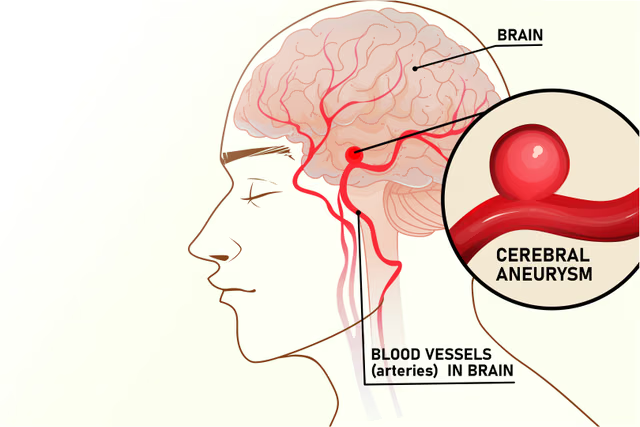
Quick Guide: Types of Brain Doctors
| Brain specialist | What they treat | Treatment approach |
|---|---|---|
| Neurologist | Migraine, epilepsy, stroke, Parkinson’s, dementia, neuropathy | Medicines, tests, long-term management |
| Neurosurgeon | Brain tumours, aneurysms, brain bleeds, hydrocephalus, head injury, spine and nerve compression | Surgery when needed, plus non-surgical guidance |
| Interventional neuroradiologist | Aneurysms, AVMs, stroke clots | Treatment through blood vessels using catheters |
| Neuro-oncologist / radiation oncologist | Brain cancers after diagnosis or surgery | Chemotherapy, radiotherapy |
| Psychiatrist | Depression, anxiety, bipolar disorder, psychosis | Medicines and therapy for mental health |
| Neuropsychologist | Memory and thinking problems | Cognitive testing and rehabilitation |
| Paediatric neurologist / neurosurgeon | Brain conditions in children | Specialised care for infants and children |
| Neuro-ophthalmologist | Vision problems caused by the brain or nerves | Eye and nerve evaluation |
| Rehabilitation specialist (physiatrist) | Recovery after stroke, injury or surgery | Physiotherapy, occupational and speech therapy |
The two you are most likely to need are the neurologist and the neurosurgeon. For a detailed comparison, read Neurologist vs Neurosurgeon: Which Doctor Do You Need?
1. Neurologist — The “Medical” Brain Doctor
A neurologist is a physician who diagnoses and treats diseases of the brain, spinal cord and nerves without surgery.
See a neurologist for:
- Migraine and recurring headaches
- Seizures and epilepsy
- Stroke prevention and recovery
- Tremor, Parkinson’s disease and movement disorders
- Memory loss and dementia
- Numbness, tingling or burning in the hands and feet
- Multiple sclerosis
- Dizziness and vertigo of neurological origin
Common tests: MRI, CT, EEG, nerve conduction study, blood tests.
2. Neurosurgeon — The Brain and Spine Surgeon
A neurosurgeon is a surgeon trained to treat structural problems of the brain, spine and nerves — something growing, bleeding, blocked or pressing where it should not.
Importantly, a neurosurgeon does not operate on every patient. A large part of the job is deciding who does not need surgery and guiding them to the right treatment.
See a neurosurgeon for:
- Brain tumours, including tumours near speech and movement areas — see awake brain surgery
- Brain aneurysms and AVMs
- Skull base and pituitary tumours
- Hydrocephalus (fluid build-up in the brain)
- Head injury and bleeding inside the skull
- Epilepsy that does not respond to medicines, and deep brain stimulation
- Brain and spine conditions in children
- A second opinion when surgery has been advised
Training in India: MBBS → MS (General Surgery) → M.Ch (Neurosurgery), or a direct 6-year M.Ch programme.
3. Interventional Neuroradiologist
This specialist treats certain brain conditions from inside the blood vessels, using a thin tube (catheter) inserted through an artery in the groin or wrist.
Common treatments:
- Coiling or flow diversion for brain aneurysms
- Embolisation of AVMs and some tumours
- Mechanical thrombectomy — removing a clot during an acute stroke
Many aneurysms and AVMs can be treated either by surgery or by an endovascular procedure. The best choice depends on the shape, size and location of the lesion, and is often decided jointly by the neurosurgeon and the interventional neuroradiologist. Read more about brain aneurysm symptoms.
4. Neuro-Oncologist and Radiation Oncologist
After a brain tumour is removed or biopsied, the final report decides what happens next. For many tumours, further treatment is needed:
- Radiation oncologist — plans radiotherapy, including focused techniques such as stereotactic radiosurgery
- Medical / neuro-oncologist — plans chemotherapy and targeted therapies
The neurosurgeon usually works with these specialists as part of a tumour board, so that each patient’s plan is agreed by the whole team.
5. Psychiatrist — The Mind Doctor
Many people searching for a “brain doctor” or “mind doctor” are actually looking for help with mental health. A psychiatrist is a medical doctor who treats conditions such as:
- Depression and anxiety
- Bipolar disorder
- Obsessive-compulsive disorder
- Psychosis and schizophrenia
- Sleep and stress-related problems
Psychiatrists and neurologists often work together, because some brain diseases affect mood and behaviour, and some mental health symptoms need neurological tests to rule out a physical cause.
6. Neuropsychologist
A neuropsychologist assesses memory, attention, language, problem-solving and behaviour using detailed tests. They help:
- Diagnose early dementia
- Measure the effect of a head injury or stroke on thinking
- Plan brain surgery near critical areas (for example, before awake surgery)
- Guide cognitive rehabilitation
7. Paediatric Neurologist and Paediatric Neurosurgeon
Children’s brains are still developing, and many conditions are unique to childhood. Paediatric specialists treat:
- Seizures and developmental delay (paediatric neurologist)
- Hydrocephalus, spina bifida, tethered cord and congenital malformations (paediatric neurosurgeon)
- Brain tumours in children
- Head injuries in children
8. Neuro-Ophthalmologist
Sometimes vision problems come from the brain or optic nerve, not the eye itself. A neuro-ophthalmologist evaluates:
- Sudden loss of vision or double vision
- Visual field loss (for example, from a pituitary tumour pressing on the optic nerves)
- Swelling of the optic nerve due to raised pressure in the brain
9. Rehabilitation Specialist
After a stroke, head injury or brain surgery, recovery continues long after leaving hospital. A rehabilitation team — physiatrist, physiotherapist, occupational therapist and speech therapist — helps patients regain movement, balance, speech and independence.
Which Brain Doctor Should You See First? Symptom Guide
| Your situation | See first |
|---|---|
| Recurring headaches or migraine | Neurologist |
| Sudden “worst-ever” headache | Emergency department |
| Seizure or fit | Neurologist (neurosurgeon if a scan shows a lesion) |
| Memory loss or confusion in an older person | Neurologist (neurosurgeon if scan shows hydrocephalus or a bleed) |
| Tremor or slowness of movement | Neurologist |
| Scan shows a brain tumour, cyst or mass | Neurosurgeon |
| Scan shows an aneurysm or AVM | Neurosurgeon / interventional neuroradiologist |
| Head injury after a fall or accident | Emergency, then neurosurgeon |
| Child with a large or growing head | Paediatric neurosurgeon |
| Sudden vision loss or double vision | Emergency, then neuro-ophthalmologist / neurologist |
| Low mood, anxiety, hallucinations | Psychiatrist |
| Back or neck pain with arm or leg symptoms | Neurosurgeon / spine surgeon |
Not sure what your headache means? Read Headache vs Migraine vs Brain Tumour and 10 Early Warning Signs Your Brain Needs Attention.
🚨 When You Need an Emergency, Not an Appointment
Go to the nearest emergency department immediately for:
- Stroke signs (BE FAST): loss of Balance, Eye/vision loss, Face drooping, Arm or leg weakness, Speech difficulty — Time to call for help
- A sudden, severe “thunderclap” headache
- A seizure lasting more than 5 minutes, or a first-ever seizure
- Head injury with vomiting, drowsiness, confusion or unequal pupils
- Sudden confusion or loss of consciousness
For what to do in the critical first hour, read Head Injury or Stroke: What to Do in the First Hour.
How to Choose a Good Brain Doctor in Bangalore
- Check qualifications — DM or DNB in Neurology for neurologists; M.Ch or DNB in Neurosurgery for neurosurgeons
- Look for subspecialty training — fellowships in cerebrovascular, skull base, epilepsy or spine surgery indicate advanced expertise
- Prefer a hospital with full support — ICU, 24/7 CT and MRI, neuromonitoring and a multidisciplinary team
- Value honest advice — a good specialist explains all options, including non-surgical ones
- Consider location — for emergencies like stroke or head injury, a nearby centre saves critical time
Read our full guide on how to choose a neurosurgeon in Bangalore.
What to Bring to Your First Appointment
- All MRI and CT scans (CDs and reports)
- Previous prescriptions and current medicines
- EEG, nerve test or blood test reports
- A short timeline of your symptoms
- A family member, especially if the problem affects memory or speech
See what to expect at your first visit.
Brain and Spine Specialist in Electronics City, Bangalore
Dr. Shyam D is an internationally fellowship-trained neurosurgeon at Bangalore Neuro Centre, consulting at Manipal Hospital Electronics City. He treats brain tumours, aneurysms, skull base disorders, hydrocephalus, head injuries, epilepsy and the full range of spine conditions — in adults and children.
- M.Ch Neurosurgery — Madras Medical College, with two university gold medals
- FACS — Fellow, American College of Surgeons
- IFAANS — International Fellow, American Association of Neurological Surgeons
- Cerebrovascular fellowship in Japan and skull base training at Weill Cornell, USA
- Surgery only when it is genuinely the best option
Patients come from Electronic City, HSR Layout, Sarjapur Road, Bommanahalli, Hosur Road and across South Bengaluru. Learn more about Dr. Shyam or see neurosurgeon services near Sarjapur Road.
For further reading, see the National Institute of Neurological Disorders and Stroke.
Frequently Asked Questions
There is no single “brain doctor”. A neurologist treats brain conditions with medicines, a neurosurgeon treats brain conditions that may need surgery, and a psychiatrist treats mental health conditions. Other specialists include interventional neuroradiologists and neuro-oncologists.
A neurosurgeon. The neurosurgeon decides whether the tumour needs surgery, biopsy, radiation or monitoring, and works with oncology specialists if further treatment is needed.
Most recurring headaches and migraines are treated by a neurologist. A sudden, severe headache is an emergency. If a scan shows a tumour, bleed or aneurysm, a neurosurgeon should be involved.
Not Sure Which Brain Doctor You Need?
Share your symptoms and scan reports, and get clear guidance on the right next step — even if that step is not surgery.
📞 Call / WhatsApp: +91 63802 71088 📍 Manipal Hospital Electronics City, Neeladri Road, Electronics City Phase 3, Bengaluru — 560100
Send your MRI on WhatsApp → | Book a consultation →
This article is for general information only and does not replace a medical consultation. In an emergency, go to the nearest hospital immediately.